
Large construction projects require far more than excavation and building materials to succeed. Before the first foundation is poured or steel beam is installed, contractors must carefully prepare the site to ensure safety, efficiency, compliance, and long-term structural integrity. Job site preparation involves environmental assessments, utility planning, debris management, structural support work, material logistics, and equipment coordination.
Without proper planning, even well-funded construction projects can face delays, safety hazards, regulatory violations, and increased costs. A comprehensive preparation strategy allows contractors to streamline operations, protect workers, and maintain project timelines from start to finish.
This checklist outlines the major steps involved in preparing large construction sites and highlights the specialized services and equipment that support successful project execution.
Conduct Initial Site Evaluations
Every construction project should begin with a detailed site evaluation. Contractors must assess soil conditions, drainage patterns, elevation changes, existing infrastructure, utility access, environmental concerns, and accessibility for heavy equipment.
Geotechnical surveys help determine whether the ground can support planned structures. These inspections may reveal unstable soil, underground obstructions, abandoned fuel systems, or water accumulation issues that require correction before construction begins.
Environmental evaluations are equally important. Some sites may contain contaminated soil, buried debris, or wildlife habitats that must be addressed to meet local and federal regulations.
Early inspections reduce unexpected complications later in the project and help construction teams develop accurate timelines and budgets.
Address Environmental and Safety Concerns
Construction sites often contain hazards that must be resolved before equipment and crews can begin work safely. One of the most overlooked concerns involves wildlife control. Large undeveloped properties may contain nesting animals, burrowing species, snakes, birds, or protected habitats that interfere with site development.
Professional wildlife control services help remove animals safely while ensuring compliance with environmental regulations. Proper mitigation protects workers, prevents equipment damage, and minimizes project interruptions caused by environmental violations.
Another major environmental concern involves underground oil tank removals. Older commercial and industrial properties may contain abandoned tanks that pose contamination risks. If fuel tanks leak into surrounding soil or groundwater, cleanup costs can become substantial and delay construction significantly.
Specialized contractors perform underground oil tank removals using excavation equipment, soil testing procedures, and environmental remediation methods. Completing this process before major construction begins helps avoid future liability and protects surrounding ecosystems.
Establish Stable Ground Conditions
Once environmental hazards are addressed, contractors can begin preparing the physical site. Ground stabilization is critical for supporting foundations, roads, retaining walls, and utility systems.
Many projects rely on quarry products such as gravel, crushed stone, sand, and aggregate to create stable surfaces and improve drainage. These materials are commonly used for temporary access roads, structural fill, erosion control, and foundation preparation.
Proper grading and compaction prevent shifting, settling, and water accumulation that could compromise structural performance later in the project. Contractors often install temporary drainage systems during this phase to redirect stormwater and maintain dry working conditions.
Material delivery schedules should also be coordinated carefully. Delays in obtaining quarry products can impact multiple phases of site development, particularly when weather conditions create narrow construction windows.
Prepare Deep Foundation Systems
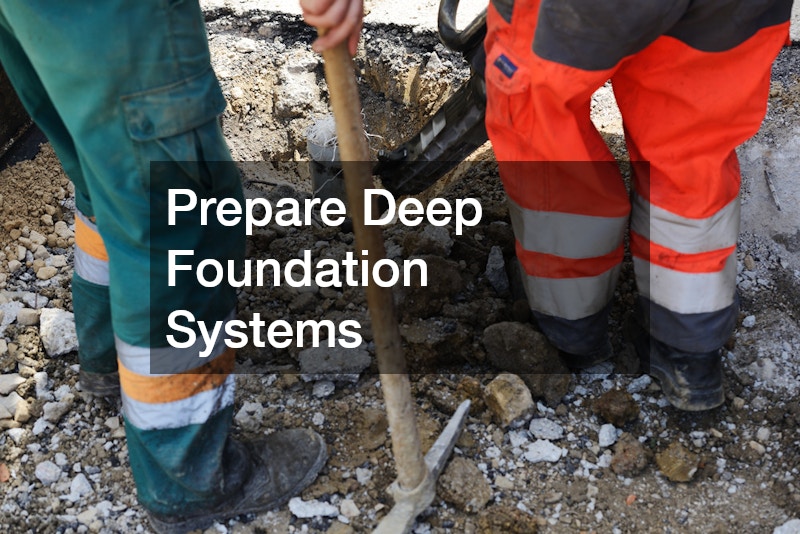
Some structures require reinforced foundation systems capable of supporting substantial weight loads or challenging soil conditions. In these situations, pier drilling becomes a critical part of job site preparation.
Pier drilling involves creating deep cylindrical holes that are later reinforced with concrete and steel to support foundations. These systems are commonly used for bridges, high-rise buildings, retaining walls, industrial facilities, and structures located on unstable soil.
The drilling process requires specialized equipment, accurate engineering measurements, and careful coordination with utility maps and structural plans. Contractors must account for groundwater conditions, soil density, and nearby infrastructure during installation.
Because foundation work affects nearly every subsequent phase of construction, delays or inaccuracies during pier drilling can create widespread project complications. Careful planning and experienced operators help ensure stability and long-term structural performance.
Manage Water and Drainage Challenges
Water management is one of the most important components of site preparation. Construction sites frequently encounter groundwater intrusion, stormwater accumulation, flooding risks, or poor drainage conditions that can halt operations and damage equipment.
Industrial pumps play a major role in controlling water throughout the construction process. Contractors use industrial pumps for dewatering excavations, redirecting stormwater, draining trenches, and managing temporary water containment systems.
Effective water control protects excavation areas, prevents soil erosion, and improves worker safety. In some cases, continuous pumping systems may be required throughout the duration of the project.
Pump selection depends on several factors, including flow rate requirements, sediment content, water depth, and site accessibility. Construction managers often rely on temporary pumping stations to maintain productivity during periods of heavy rainfall or groundwater infiltration.
Coordinate Fuel Supply for Equipment
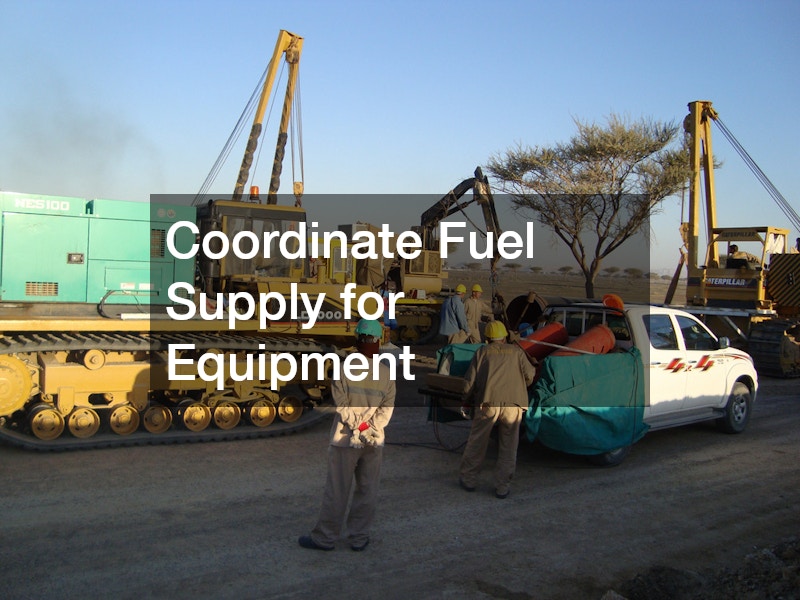
Large construction sites depend on excavators, cranes, loaders, generators, compressors, trucks, and other heavy machinery operating continuously throughout the workday. Maintaining a reliable fuel supply is essential for avoiding costly downtime.
Many contractors use bulk fuel delivery services to support ongoing operations. Bulk fuel storage allows crews to refuel equipment directly on-site rather than transporting machinery off-site or relying on nearby fueling stations.
On-site fueling improves efficiency, reduces labor costs, and minimizes operational delays. It also allows project managers to monitor fuel usage more effectively and maintain equipment schedules.
Fuel storage systems must comply with safety and environmental regulations. Proper containment measures, inspection routines, and spill prevention procedures help reduce fire hazards and environmental risks.
Reliable bulk fuel management becomes especially important for remote projects or large-scale developments where equipment usage remains constant throughout multiple construction phases.
Modify Existing Structures and Surfaces
Many construction projects involve renovating, expanding, or demolishing existing infrastructure before new construction can begin. This process often requires precise material removal techniques to avoid damaging surrounding structures.
Cement cutting services are frequently used to remove sections of concrete slabs, walls, sidewalks, bridges, and foundations. Specialized cutting equipment creates accurate openings for plumbing, electrical systems, utility access, or structural modifications.
Unlike traditional demolition methods, cement cutting produces cleaner edges, reduces vibration, and minimizes dust and debris. This precision helps protect nearby structures and improves overall site safety.
Contractors may use saw cutting, core drilling, wall sawing, or wire sawing depending on project requirements. Careful planning ensures cutting operations align with engineering specifications and utility locations.
Efficient concrete modification work helps accelerate renovation projects while reducing the risk of structural damage and unnecessary material waste.
Fabricate and Repair Structural Components
Construction sites often require custom-built metal components to support infrastructure systems, equipment installations, safety barriers, or structural frameworks. Metal fabrication services provide these specialized materials according to exact project specifications.
Fabricators may create brackets, stair systems, railings, supports, steel frames, ductwork, and other essential structural elements. Custom fabrication improves compatibility between systems and allows contractors to adapt quickly to changing project conditions.
Because construction schedules frequently shift, fabrication timelines must align closely with installation phases. Delays in receiving fabricated components can affect multiple subcontractors and slow overall progress.
In addition to fabrication, construction sites regularly require equipment repairs and structural adjustments during active operations. Mobile welding services provide on-site repairs for damaged equipment, support structures, pipelines, fencing, and heavy machinery.
Mobile welding allows contractors to complete repairs quickly without transporting equipment to off-site facilities. This reduces downtime and keeps critical operations moving efficiently.
Skilled welders help maintain structural integrity while ensuring repaired components meet project safety standards. Their flexibility makes them valuable throughout all stages of construction.
Control Debris and Waste Accumulation
Large construction projects generate substantial amounts of debris, including packaging materials, scrap metal, wood, concrete fragments, cardboard, and demolition waste. Without proper waste management systems, job sites can become unsafe, disorganized, and inefficient.
A trash baler helps compress recyclable materials and reduce the amount of space required for waste storage. These systems are commonly used for cardboard, plastics, paper products, and other compressible debris generated during construction.
Using a trash baler improves site cleanliness, reduces disposal frequency, and supports recycling initiatives. Organized waste management also enhances worker safety by minimizing trip hazards and improving access throughout the site.
Construction managers should establish designated disposal zones early in the project and ensure crews understand waste handling procedures. Separating recyclable materials from general debris can reduce landfill costs and improve sustainability efforts.
Consistent waste removal schedules help maintain productivity and ensure compliance with local disposal regulations.
Maintain Communication and Scheduling
Effective communication is essential during every phase of site preparation. Large construction projects often involve multiple subcontractors working simultaneously across different areas of the site.
Project managers must coordinate deliveries, inspections, utility work, environmental services, fueling operations, equipment rentals, and material fabrication schedules to avoid conflicts and delays.
Daily meetings, digital scheduling tools, and site inspections help teams identify issues early and maintain operational efficiency. Contractors should also establish emergency response procedures for weather events, utility failures, equipment breakdowns, and environmental hazards.
Proper documentation remains equally important. Inspection reports, fuel records, maintenance logs, environmental permits, and safety certifications help ensure compliance while protecting project stakeholders from liability.
Strong communication systems create accountability and help maintain progress throughout the construction process.
Prioritize Worker Safety Throughout Preparation
Build a Foundation for Long-Term Success
Successful construction projects depend heavily on the quality of the preparation phase. Every service involved in site readiness contributes to the safety, efficiency, and structural performance of the final project.
From wildlife control and underground oil tank removals to quarry products, industrial pumps, and bulk fuel management, each component supports critical aspects of construction readiness. Services such as pier drilling, cement cutting, metal fabrication, mobile welding, and trash baler systems further improve operational efficiency and project organization.
Comprehensive job site preparation helps contractors reduce unexpected costs, maintain timelines, improve worker safety, and ensure compliance with environmental regulations. By investing in thorough planning and specialized support services, construction teams create a stronger foundation for every phase of development.
As construction projects continue growing in size and complexity, strategic preparation remains one of the most important factors in achieving successful outcomes.