
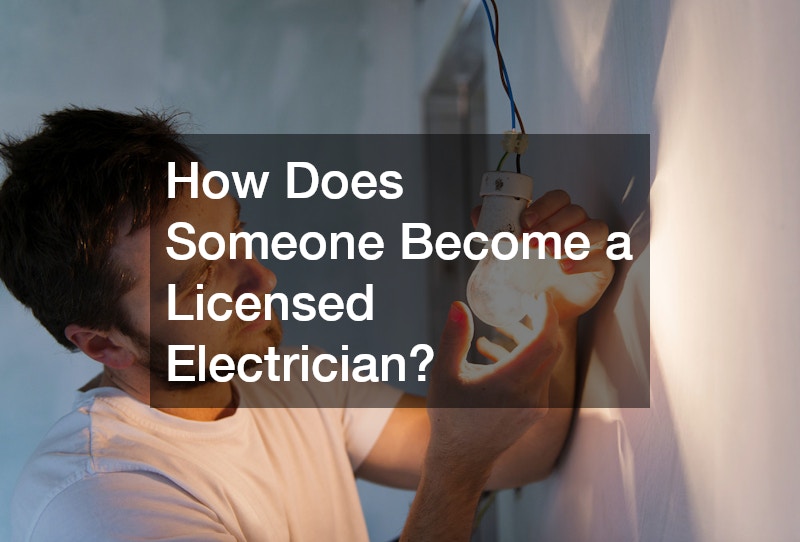
Understanding the path to becoming a licensed electrician is crucial for those interested in pursuing this profession. This article explores the steps involved, from education and training to licensing and career development. Becoming an electrician is a rewarding choice, with a blend of hands-on work and problem-solving that keeps the job engaging.
Electricians provide a vital service that keeps our homes, businesses, and industries running smoothly. This guide will walk you through each stage of the process, ensuring you know exactly what it takes to succeed in this career.
What Education is Needed to Become an Electrician?
Before starting a career as an electrician, an aspiring individual must have a solid educational foundation. Typically, a high school diploma or GED is required to enter into an apprenticeship program. Courses in math, physics, and technical education during high school can be highly beneficial and are often recommended. Post-secondary education at a technical school or community college can also provide a head start, offering introductory courses in electrical concepts and safety practices. This formal education helps build a foundation that can make students more competitive candidates for apprenticeships.
Technical and trade schools offer focused courses that delve deeper into specific skills an electrician needs. These programs, lasting from a few months to two years, provide both theoretical knowledge and practical application. Subjects covered might include electrical theory, blueprint reading, electrical code familiarity, and safety routines. Moreover, these programs often facilitate connections with local businesses, helping graduates secure apprenticeships after completion. For those pursuing further specialization, some institutions offer advanced courses in renewable energy or high-voltage systems.
The formal education helps prepare aspiring electricians for the demanding tasks they will encounter on the job. By understanding electrical systems, safety procedures, and local building codes, students lay the groundwork for their apprenticeships. Such knowledge is particularly crucial for passing the exams required for licensure. Additionally, educational credentials can enhance future career opportunities, making it easier to step into supervisory roles or specialty fields. Continual learning and keeping up with technological advances remain vital components throughout an electrician’s career.
What Does an Apprenticeship Involve?
The apprenticeship is a crucial stage in becoming a licensed electrician, combining on-the-job training with classroom instruction. Typically, apprenticeships last around four to five years, during which apprentices work closely under the supervision of experienced electricians. This process allows individuals to gain practical, hands-on experience, which is essential for mastering the trade. During the apprenticeship, the apprentice learns to work with electrical wiring, troubleshoot electrical systems, and adhere to safety protocols. This hands-on experience is invaluable, as it builds confidence in handling real-world electrical issues.
In addition to practical experience, apprentices must also complete a certain number of classroom-based instruction hours each year. These sessions cover a wide range of topics, including electrical theory, the National Electrical Code, and advanced math. The balance between classroom learning and field experience helps apprentices become well-rounded professionals, capable of handling various situations. These sessions are often offered at technical schools or union-based training centers. Alongside technical skills, apprentices also develop soft skills like problem-solving, critical thinking, and teamwork.
Participating in an apprenticeship also opens up networking opportunities within the industry. Working alongside experienced electricians allows novices to learn from seasoned professionals, gaining insight into problem-solving techniques and industry expectations. This network can provide support and guidance throughout an electrician’s career, helping with job placements and career advancement. Moreover, many programs offer mentorship components, where apprentices are paired with journeymen or master electricians for personalized guidance. Successfully completing an apprenticeship is a required step toward becoming a licensed electrician, providing both foundational skills and professional credibility.
How to Get Licensed as an Electrician?
Obtaining a license is a key milestone in an electrician’s career, ensuring they meet the industry standards for safety and competence. In most regions, licensure requires passing a comprehensive exam that tests knowledge of electrical concepts, codes, and practices. Requirements and procedures for licensure can vary between states or municipalities, but most require proof of completion of an apprenticeship program. Candidates might also need to demonstrate a set amount of work experience under the supervision of a licensed electrician. Passing the licensing exam and acquiring state certification confirms an electrician’s proficiency and authority to work independently.
Preparation for the licensing exam often involves additional study and review of both coursework and practical experiences. Many prospective electricians take preparatory courses specifically designed for the exam, focusing on the National Electrical Code, formulas, and safety regulations. This process can be rigorous, requiring diligent study and a strong grasp of both the theoretical and practical aspects of the job. It’s also helpful for candidates to attend review seminars or study groups for collaborative learning and addressing specific areas of difficulty. Proper preparation can make a significant difference in successfully obtaining a license on the first attempt.
Once licensed, electricians must stay current with continuing education and renew their licenses according to state regulations. These requirements ensure that electricians remain updated on the latest codes, technologies, and safety practices. Licensure enhances job prospects, as many employers prefer or require licensed electricians for their comprehensive understanding of the trade. Additionally, having a license allows electricians the flexibility to start their own business or to take on higher-responsibility roles. Licensing not only assures clients of an electrician’s competence but also opens doors to further specializations and career advancement opportunities within the electrical industry.
What Are the Career Advancement Opportunities?
The field of electrical work offers numerous opportunities for career advancement as electricians gain experience and expertise. After obtaining their licenses, many electricians choose to specialize in areas like commercial or residential wiring, industrial electrical work, or renewable energy installations. Specializing in a niche area can lead to higher pay and more complex, fulfilling work. Additionally, electricians can take additional coursework or board certifications to further refine their skill sets and capabilities. Specializations not only boost an electrician’s knowledge base but also increase their marketability and potential earnings.
Electricians with extensive experience can pursue roles in supervision, management, or even business ownership. Starting one’s own electrical contracting business allows for more direct control over job selection, expansion, and earning potential. Additionally, leadership roles in larger companies offer stable employment and additional benefits. Experienced electricians may also take on training roles, passing their knowledge on to apprentices and newer electricians entering the field. This teaching role can be highly rewarding and contributes to the development of the next generation of skilled tradespeople.
Industry changes and technological advancements create ongoing learning and advancement opportunities. Electricians who adapt by mastering new technologies or specializing in emerging fields often find themselves at the forefront of industry developments. Continued education courses and industry certifications aid in keeping electricians knowledgeable about the latest trends. In rapidly advancing areas, such as solar energy or smart systems, being the first to adopt new technologies can result in significant competitive advantages. Commitment to professional growth ensures long-term success and satisfaction in the electrical industry.
What Are the Costs and Financial Considerations?
Becoming a licensed electrician involves several financial aspects that candidates need to consider when planning their careers. The initial cost includes tuition for educational programs and tools required during apprenticeships. While trade schools and technical colleges offer potential training programs, they come with tuition costs that candidates should be prepared for. However, some organizations or unions subsidize part of this training expense or offer financial aid. Planning ahead for these costs can help an aspiring electrician manage their education and training without undue financial stress.
The costs of obtaining licensure also require financial planning. Exam fees apply for licensing tests, and there may be additional charges for study guides or preparation courses. In addition, electricians must maintain their licenses through periodic renewals often accompanied by fees, along with continuing education requirements. These ongoing costs reflect an investment in maintaining professional standards and ensuring electricians remain knowledgeable in evolving electrical standards. Budgeting for these expenses ensures that an electrician can sustain their career without unexpected financial burdens.
Despite these expenses, a career as a licensed electrician generally offers a robust return on investment. Electricians earn competitive wages that can increase as they gain experience and specialize in high-demand areas. Many apprentice programs come with a stipend that helps mitigate the costs of on-the-job training. Long-term career prospects are strong, with stable demand for skilled electricians across various sectors. As a result, while upfront costs exist, the potential for a well-paying, secure career makes becoming an electrician an attractive investment for many individuals.
Becoming a licensed electrician involves a comprehensive process of education, training, and licensing. Once achieved, electricians enjoy a stable career with multiple opportunities for growth and specialization. The journey requires a blend of classroom education and extensive hands-on experience, culminating in the attainment of a professional license. From apprenticeships offering practical skills to the diverse specialization and career paths available, the electrical trade offers abundant opportunities for those dedicated to mastering their craft. This guide has outlined the essential steps and considerations for prospective electricians, supporting them in navigating the exciting and rewarding career path ahead.