
Constructing a commercial property from the ground up is an exciting and complex endeavor that requires careful planning, strategic investment, and collaboration with experienced professionals. From understanding the market to selecting a site, navigating legal requirements, and managing construction, each step determines the long-term success of the property. Developers must consider financial feasibility, functionality, design, sustainability, and technological integration while ensuring the building meets tenant needs. Investing in commercial real estate can provide significant returns when executed with diligence and foresight, offering opportunities for growth, community engagement, and business development.
What Are the Initial Steps Involved in Planning a Commercial Property?
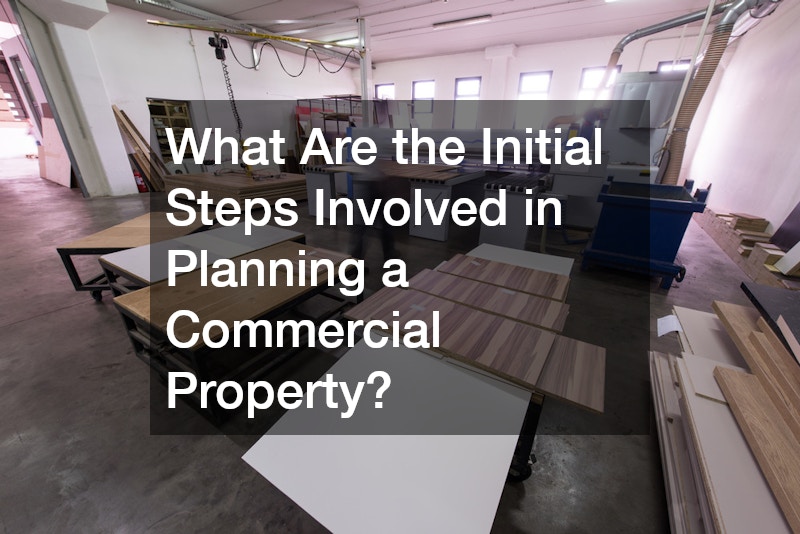
Planning is the foundation of any successful commercial property development. A clear strategy ensures that resources are used efficiently and potential challenges are addressed before construction begins. Every decision at this stage influences the project’s timeline, budget, and ultimate success.
Conducting Market Research
Market research allows developers to identify demand, analyze competitors, and understand the types of businesses that thrive in a given area. Studying local real estate trends provides insight into potential rental income, occupancy rates, and long-term investment opportunities. Developers often consult with commercial printing services or other business sectors to determine the kind of space needed, ensuring the property will attract tenants quickly after completion. Effective market research also guides design and amenity choices, helping the building align with tenant expectations.
Securing Financing
Securing financing is a critical step in turning plans into reality. Developers typically work with banks, private investors, or commercial lenders to secure the capital necessary for land acquisition, construction, and operational expenses. Detailed financial projections, including potential leasing income, construction costs, and long-term maintenance, are essential to convince lenders of the project’s viability. Proper financing safeguards against delays and allows developers to select the best materials and contractors for quality construction.
Choosing a Suitable Location
Location is one of the most important factors for commercial property success. Developers evaluate accessibility, visibility, traffic patterns, and proximity to complementary businesses. Sites near major highways or public transportation hubs attract more tenants and increase the property’s long-term value. Environmental considerations, including soil stability and drainage, are also critical, and excavating contractors are often consulted early to assess site suitability. A strategically chosen site ensures the property remains competitive in the commercial real estate market.
Setting a Budget and Timeline
Creating a realistic budget and timeline is essential for avoiding cost overruns and construction delays. Budgets include land acquisition, permits, construction materials, labor, equipment rentals, and professional services. Planning for contingencies is important, as unexpected issues often arise during construction. Establishing a clear timeline helps coordinate contractors, such as HVAC contractors, plumbers, and crane companies, ensuring that work progresses efficiently and milestones are met.
Assembling an Expert Team
A commercial property project requires a multidisciplinary team, including architects, engineers, contractors, and legal advisors. Collaborating with a team experienced in tilt up construction, site excavation, and commercial building systems ensures that every phase of the project is executed correctly. Specialized professionals, such as plumbers, HVAC contractors, and local asphalt companies, contribute their expertise to guarantee functional, safe, and compliant construction.
How Do Zoning Laws Affect Commercial Property Development?
Zoning laws regulate how land can be used and shape the structure and functionality of commercial properties. Understanding these regulations early prevents costly legal issues and ensures the property aligns with local planning objectives.
Understanding Zoning Regulations
Zoning ordinances classify land for specific uses, including commercial, industrial, and mixed-use development. These rules determine building height, lot coverage, setbacks, and parking requirements. Developers must review municipal codes to ensure that the proposed property complies with existing regulations, which affects design, layout, and potential expansions.
Obtaining the Necessary Permits
Permits confirm compliance with zoning, building codes, and environmental regulations. Developers work closely with local authorities to secure these approvals before construction begins. Delays in permit acquisition can halt projects, so early submission and adherence to regulations are critical.
Impact of Zoning on Design
Zoning laws influence building orientation, parking configurations, landscaping, and accessibility. For instance, wire pass-through installations may need to meet specific electrical or safety standards dictated by zoning codes. Architects and contractors collaborate to incorporate these requirements into the design seamlessly, ensuring the building meets both aesthetic and regulatory expectations.
Navigating Rezoning Procedures
In cases where a site’s current zoning does not accommodate the proposed development, rezoning may be necessary. Rezoning requires public hearings, community input, and approval from planning boards. Developers must prepare compelling proposals and work closely with legal advisors to navigate this process efficiently, minimizing disruptions to the project schedule.
Legal Challenges in Zoning
Disputes can arise from neighbors, local authorities, or regulatory interpretations. Engaging legal professionals early ensures that zoning issues are addressed proactively, avoiding costly litigation and project delays. Proper documentation and adherence to guidelines protect developers and stakeholders throughout the construction process.
What Is the Importance of Site Selection and Preparation?
Selecting and preparing a site is foundational to a successful commercial property. Proper preparation reduces construction risks, improves safety, and ensures the building functions efficiently for its intended use.
Criteria for Site Selection
Key factors in site selection include accessibility, visibility, environmental stability, and proximity to utilities. A site that can accommodate parking, loading zones, and future expansion adds long-term value. Local real estate analysis helps developers identify areas with strong demand and investment potential. Choosing a location suitable for tilt up construction, for example, ensures the structural design can be executed efficiently.
Environmental Assessments
Environmental assessments examine soil conditions, drainage, contamination risks, and vegetation. Excavating contractors often conduct detailed surveys to determine the feasibility of grading, foundation installation, and drainage planning. Addressing environmental concerns early reduces liability and ensures regulatory compliance.
Site Clearing and Grading
Site clearing removes vegetation, debris, and obstacles to prepare the land for construction. Contractors rely on 30 yard dumpsters to manage waste efficiently during this stage. Grading creates a level foundation, facilitates proper drainage, and prepares the site for tilt up construction panels. Coordinating crane operations ensures that heavy materials are positioned safely and accurately.
Utilities and Infrastructure
Access to water, electricity, sewage, and internet is essential. Plumbers install water and drainage systems, while HVAC contractors design and integrate climate control solutions. Wire pass-through pathways are planned to allow easy routing of electrical and communication systems. Coordinating these elements during site preparation prevents costly retrofits and ensures operational efficiency.
Managing Site Preparation Costs
Effective cost management balances quality and budget. Working with a local asphalt company ensures durable driveways and parking areas, while a crane company and excavating contractors complete tasks efficiently. Planning for contingencies, such as weather or equipment delays, helps maintain the budget and schedule while minimizing disruptions.
How Do You Choose the Right Commercial Building Type for Your Needs?
The building type affects functionality, tenant appeal, and long-term investment returns. Developers must consider operational needs, growth potential, and structural options to select the ideal building.
Understanding Different Building Types
Commercial buildings vary from offices and retail spaces to warehouses and mixed-use complexes. Tilt up construction is a common choice for warehouses or industrial properties because it allows walls to be cast and lifted on-site, reducing construction time and labor costs. Understanding the strengths and limitations of each building type helps developers match the property to tenant needs.
Evaluating Space and Usage Requirements
Tenant requirements vary widely. For instance, commercial printing services require large, open production areas and heavy-duty flooring, while offices prioritize flexible layouts and amenities. Developers must anticipate these needs to ensure the building can accommodate tenants efficiently.
Architectural Style Considerations
Design influences tenant attraction and long-term value. Architects consider façade treatments, interior layouts, and branding opportunities while integrating practical features like wire pass-through systems. Aesthetic appeal enhances marketability and ensures the building aligns with community standards.
Future Expansion Potential
Planning for future growth is critical. Tilt up construction allows for modular expansion of warehouse spaces, while site layout can accommodate additional parking or utility upgrades. This foresight ensures that the property remains competitive and adaptable to tenant needs over time.
Cost vs. Benefit Analysis
Evaluating initial construction costs against long-term benefits informs decisions about materials, building methods, and technology integration. Investing in quality HVAC systems, durable materials, and professional crane services may increase upfront costs but reduces maintenance expenses and improves energy efficiency over time.
What Are the Key Components of Designing a Commercial Property?
A commercial property must balance functionality, aesthetics, and compliance. Good design supports operations, tenant satisfaction, and long-term investment returns.
Collaborating with Architects
Architects translate the developer’s vision into functional, code-compliant blueprints. They coordinate with HVAC contractors, plumbers, and crane companies to ensure all systems integrate seamlessly. Collaboration at this stage prevents costly changes during construction and guarantees quality outcomes.
Functionality and Accessibility
Functional design includes accessible entrances, wide hallways, and adequate parking. Local asphalt companies can construct durable driveways and parking areas, while site grading ensures safety and proper drainage. Buildings that prioritize accessibility attract a broader range of tenants and enhance overall usability.
Integrating Technology and Sustainable Design
Modern commercial buildings incorporate smart systems to optimize energy use, security, and convenience. Wire pass-through planning allows flexible electrical and data routing for smart building applications. Sustainable materials, energy-efficient HVAC systems, and responsible waste management reduce operational costs and support environmental goals.
Safety and Compliance with Building Codes
Meeting building codes is essential for safety and regulatory approval. Plumbers ensure water systems meet health standards, while HVAC contractors verify climate control systems comply with energy regulations. Proper crane use during tilt up construction prevents accidents and maintains construction quality.
Aesthetic and Branding Concerns
The property’s appearance reinforces its identity and attracts tenants. Commercial printing services or creative tenants benefit from open layouts, high ceilings, and functional designs. Thoughtful branding in architecture, landscaping, and interior finishes enhances market appeal.
How Do You Manage the Construction Phase Effectively?
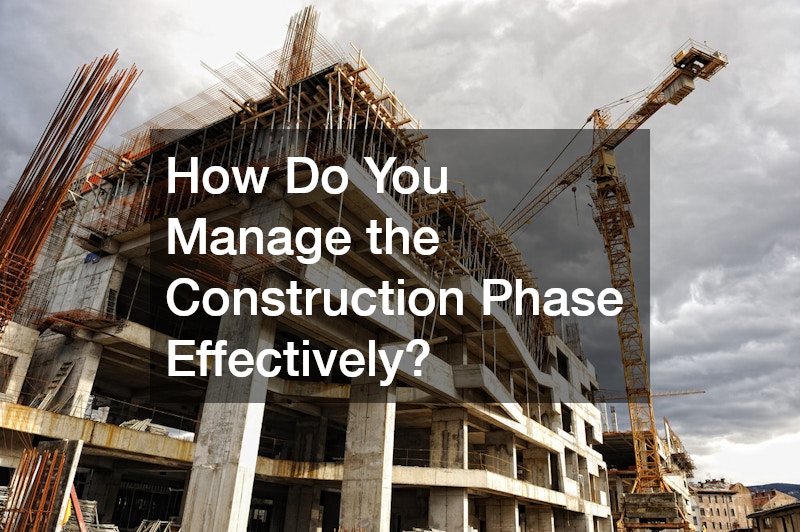
Construction management requires clear communication, quality control, and proactive problem-solving. Effective oversight ensures the project remains on schedule, within budget, and meets all expectations.
Selecting a Reliable Contractor
A reliable contractor coordinates all aspects of construction, including crane operations, site excavation, HVAC installations, plumbing, and asphalt work. Experience with tilt up construction and commercial buildings ensures that challenges are addressed efficiently and safely.
Establishing a Communication Plan
Frequent communication between developers, architects, and subcontractors prevents misunderstandings. Coordination with local asphalt companies, plumbers, and crane services ensures tasks are sequenced correctly, reducing delays and errors.
Monitoring Progress and Adhering to Timelines
Progress monitoring helps maintain construction schedules. Developers track milestones for HVAC, plumbing, and structural work, adjusting plans as needed to prevent delays. Consistent oversight ensures quality standards are upheld throughout the project.
Quality Assurance and Control
Regular inspections confirm that materials, systems, and workmanship meet specifications. Crane operations, plumbing installations, HVAC setups, and asphalt paving are all monitored to ensure compliance with safety and performance standards. Quality control prevents costly rework and protects the building’s longevity.
Addressing Delays and Unexpected Issues
Weather, supply shortages, or site conditions may disrupt schedules. Having contingency plans and flexible contractors, including excavating teams and crane companies, ensures issues are resolved quickly without compromising quality or safety.
What Are the Most Common Legal Issues in Commercial Property Development?
Legal challenges can arise at any stage of development. Addressing them proactively ensures smooth operations and protects the investment.
Contractual Agreements
Contracts with contractors, subcontractors, and service providers, such as commercial printing services or HVAC contractors, define responsibilities, payment terms, and timelines. Clear agreements minimize disputes and maintain workflow.
Litigation and Dispute Resolution
Disputes may involve construction delays, zoning interpretations, or contract issues. Effective dispute resolution mechanisms prevent prolonged legal battles and protect the developer’s interests.
Compliance with Building Codes
Meeting local building codes ensures safety and legal compliance. Plumbers, HVAC contractors, and crane operators must adhere to standards, protecting the property from fines and ensuring tenant safety.
Insurance and Liability
Insurance coverage protects the project from accidents, property damage, and unforeseen events. Builder’s risk policies and liability insurance for contractors, including crane and excavating teams, mitigate financial risk.
Intellectual Property and Design Rights
Architectural designs, construction techniques, and branding elements may be protected under intellectual property laws. Developers must safeguard these rights to avoid infringement disputes and maintain the uniqueness of their property.
How Do Sustainable Practices Influence Commercial Property Construction?
Sustainability reduces environmental impact, operational costs, and enhances the property’s market appeal. Green construction practices are increasingly expected by tenants and regulators alike.
Benefits of Green Building Certification
Certifications such as LEED or Energy Star enhance marketability, attract tenants, and may qualify the building for tax incentives. Developers who integrate sustainability into site design and construction create a competitive advantage.
Energy Efficient Designs and Materials
Using energy-efficient HVAC systems, LED lighting, and tilt up panels reduces operational costs. Coordination with HVAC contractors ensures systems are optimized for efficiency while meeting tenant comfort needs.
Water Conservation Techniques
Plumbers install low-flow fixtures and efficient irrigation systems to conserve water. Responsible water management not only saves costs but supports environmental stewardship and regulatory compliance.
Waste Reduction and Recycling Initiatives
Construction generates significant waste. Using 30 yard dumpsters and recycling programs minimizes landfill impact. Proper waste management demonstrates responsible development practices and supports long-term sustainability.
Long-term Operational Savings
Sustainable materials, energy-efficient HVAC systems, and careful site preparation reduce maintenance and utility costs over the building’s lifespan, maximizing the return on investment.
What Role Does Technology Play in Modern Commercial Properties?
Technology enhances building efficiency, security, and tenant satisfaction. Modern commercial spaces integrate smart systems and infrastructure to improve operations and experience.
Trends in Smart Building Technology
Smart systems monitor energy, lighting, and climate, allowing automated adjustments for efficiency. Wire pass-through installations enable seamless technology integration during construction, supporting modern IoT applications.
Implementing IoT for Efficient Management
IoT devices track HVAC performance, plumbing systems, and security, enabling predictive maintenance. Integrated systems reduce operational costs and improve tenant comfort.
Enhancing Security with Tech Solutions
Advanced security solutions, including cameras, access control, and automated monitoring, protect tenants and property assets. Integrating these systems during construction ensures optimal functionality.
Connectivity and Digital Infrastructure
Reliable internet and data infrastructure are essential for modern businesses. Wire pass-through designs allow flexibility for future technological upgrades, reducing disruption during renovations or tenant changes.
Customer Experience Enhancements
Digital signage, automated entry systems, and smart climate control enhance the tenant and visitor experience. Modern technology increases occupancy rates and tenant satisfaction.
How Do You Market and Lease a Newly Built Commercial Property?

Marketing and leasing transform a completed building into a profitable asset. Effective strategies attract quality tenants, minimize vacancy, and support long-term returns.
Identifying Target Tenants
Market research identifies businesses suited for the property, from offices and retail spaces to commercial printing services or industrial tenants. Matching tenant needs with building features ensures high occupancy.
Crafting a Competitive Lease Offer
Lease terms must balance rent levels, tenant improvements, and flexibility. A compelling offer attracts reliable tenants and establishes long-term relationships, enhancing property stability.
Marketing Strategies and Channels
Marketing includes online listings, brokerage networks, and signage. Highlighting sustainable design, smart technology, and accessibility features appeals to prospective tenants seeking modern commercial spaces.
Negotiating Lease Terms
Negotiations address rent, contract length, maintenance responsibilities, and expansion options. Transparent communication and legal support protect both developer and tenant interests.
Building Long-term Tenant Relationships
Ongoing engagement, responsive maintenance, and flexible lease terms foster tenant loyalty. Long-term tenants reduce vacancy and strengthen the property’s reputation in the commercial real estate market.
Closing Thoughts
Building a commercial property from the ground up requires careful planning, collaboration, and foresight. Every phase, from market research and site preparation to construction, design, technology integration, and marketing, plays a critical role in the project’s success. Working with experienced professionals, including crane companies, excavating contractors, plumbers, HVAC contractors, and local asphalt companies, ensures quality and efficiency. Incorporating sustainable practices, smart building technology, and functional design enhances value while attracting high-quality tenants. With strategic planning and expert execution, a commercial property becomes a lasting investment and a cornerstone for business growth.
