
Introduction
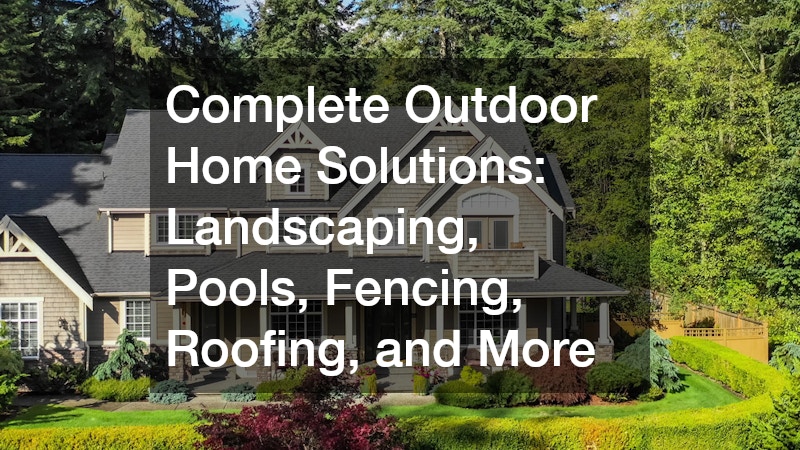
Maintaining and enhancing outdoor spaces is one of the most impactful ways to improve your home’s functionality, safety, and curb appeal. A well-planned outdoor environment not only creates a visually appealing space but also adds long-term value to your property. From landscaping and lawn care to pool installation, fencing, roofing, and pest prevention, there are many aspects to consider when transforming your yard into a beautiful and practical retreat.
Successful outdoor projects require careful planning and coordination. Understanding your property’s unique features, including soil quality, sunlight exposure, existing structures, and drainage patterns, is crucial. Additionally, knowing which tasks can be handled independently versus those that require professional expertise can save time, reduce costs, and ensure high-quality results.
A comprehensive approach ensures that every element—from trees and shrubs to hardscaping and lighting—works in harmony. For instance, a well-maintained lawn benefits from a properly designed irrigation system, while landscape lighting enhances safety and aesthetic appeal. Pools, patios, and fences contribute to functional living spaces and can increase property value when designed and maintained correctly.
This guide offers actionable tips for homeowners seeking to improve outdoor spaces. Each section focuses on a specific area, from tree care and roofing to pools, lighting, and overall landscaping. By following these recommendations, homeowners can create safe, beautiful, and sustainable outdoor environments that provide enjoyment year-round.
Planning Your Outdoor Home Projects
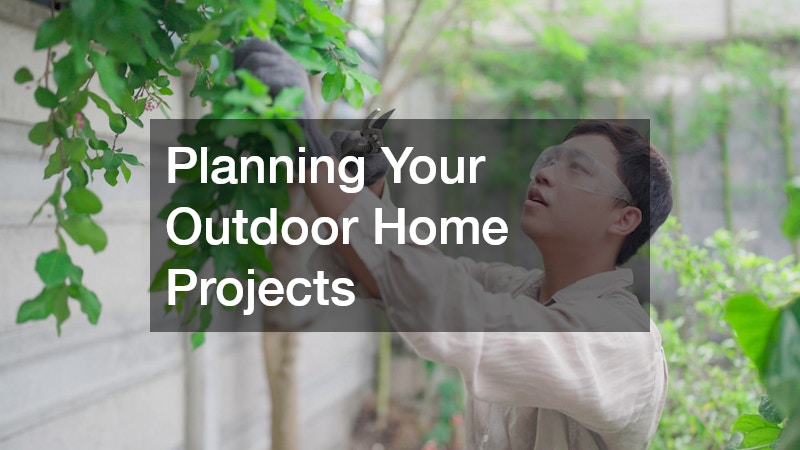
Before starting any outdoor project, evaluating your property and establishing clear goals is essential. Planning ensures that improvements are efficient, cost-effective, and cohesive with your overall home design.
Start by assessing your current outdoor environment:
- Identify areas that need immediate attention, such as overgrown trees, worn fencing, or damaged roofing.
- Note spaces that could benefit from enhancements, like shaded garden areas, pool zones, or lighting installations.
- Consider the long-term vision for your property, balancing aesthetic improvements with functional upgrades.
Budgeting is another critical step. Divide your budget into materials, labor, and contingency funds for unexpected challenges. Outdoor projects often uncover hidden issues, such as drainage problems, pest infestations, or structural weaknesses. Allocating a portion of your budget for unforeseen circumstances ensures smooth project execution.
Selecting the right professionals is crucial for success:
- Research multiple service providers and review portfolios to gauge quality and experience.
- Verify licenses, insurance, and certifications for peace of mind.
- Discuss timelines, costs, and warranties upfront to avoid misunderstandings.
- Coordinate projects strategically; for example, complete roofing work before landscaping to prevent damage.
Effective planning lays the foundation for a seamless outdoor transformation. It ensures each improvement complements the others, ultimately creating a cohesive, functional, and visually appealing environment.
Maintaining and Removing Trees Safely
Trees contribute to a property’s beauty, provide shade, and improve air quality. However, overgrown, diseased, or damaged trees can pose safety risks and reduce curb appeal. Proper evaluation and maintenance are essential to keep trees healthy and prevent hazards.
Before taking action:
- Assess each tree for structural integrity, disease signs, and overgrowth.
- Determine whether pruning or complete removal is necessary.
- Understand local regulations regarding tree removal and permits.
Hiring professional tree removal services is recommended for safety and efficiency:
- Experts have the equipment to safely remove large branches or entire trees.
- Professionals can prevent property damage during removal and ensure proper disposal.
- Regular maintenance, such as trimming and fertilization, promotes tree health and reduces the risk of falling limbs.
In addition to safety, proper tree management enhances property value and aesthetic appeal. Healthy trees frame landscaping, complement outdoor lighting, and provide natural privacy while reducing noise and wind exposure. Integrating trees thoughtfully with other outdoor improvements ensures a harmonious and functional outdoor environment.
Protecting Your Home from Roof Damage
A roof is one of the most critical components of a home, providing protection against weather, pests, and structural damage. Regular inspection and maintenance help prevent costly repairs and prolong the roof’s lifespan.
Key strategies for maintaining a healthy roof include:
- Inspecting shingles, flashing, gutters, and ventilation systems for signs of wear or damage.
- Scheduling routine inspections, especially after storms or seasonal changes.
- Clearing debris, moss, and leaves to prevent water accumulation and rot.
Hiring qualified roofers ensures professional assessment and repair:
- Experienced roofers can detect hidden issues, such as leaks or weak structural areas.
- They provide safe, code-compliant installation and repair services.
- Professionals can advise on material selection, balancing durability, cost, and aesthetics.
Proactive roofing care minimizes the risk of water damage, mold growth, and structural compromise. Combining routine inspections with professional repairs ensures your home remains secure and visually appealing over time.
Managing Pests and Protecting Your Outdoor Spaces
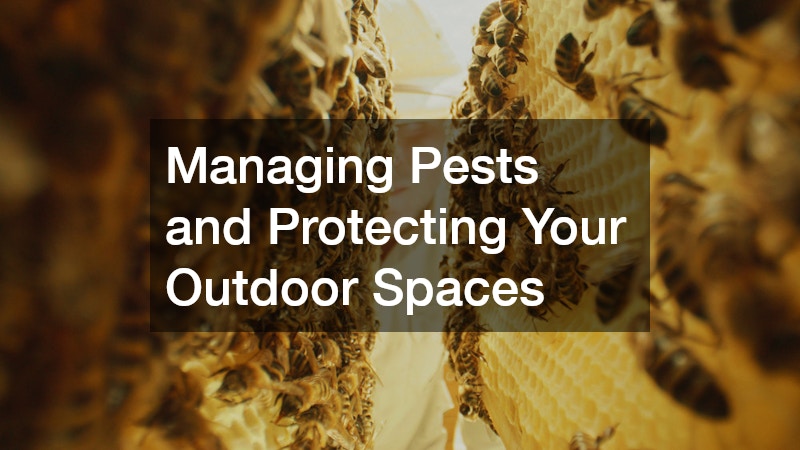
Pests can significantly affect outdoor enjoyment, landscaping health, and home safety. Proactive management helps protect property value and ensures a safe, comfortable outdoor environment.
Tips for pest prevention include:
- Inspecting the property for signs of infestation, such as holes, nests, or droppings.
- Sealing entry points to prevent insects and rodents from entering the home.
- Maintaining clean outdoor areas by removing standing water and debris that attract pests.
Hiring professional pest control services can provide long-term solutions:
- Experts identify specific pests and implement targeted treatments.
- Professionals offer environmentally safe and effective solutions for both immediate and recurring infestations.
- Combining professional treatment with preventive landscaping techniques reduces the likelihood of future infestations.
Integrating pest management into overall property maintenance enhances outdoor living spaces and protects landscaping, pools, and structures from damage.
Building and Maintaining Fences
Fencing provides security, privacy, and aesthetic structure to outdoor spaces. Selecting the right type of fence and maintaining it properly ensures long-term durability and property value.
Consider the following when planning a fence:
- Determine the purpose—privacy, security, or decorative—and choose materials accordingly, such as wood, vinyl, or metal.
- Work with a professional fence company to ensure proper installation, alignment, and stability.
- Perform routine maintenance, including weatherproofing, painting, and inspections for damage or rot.
Well-designed fencing complements landscaping and enhances the overall appearance of the property. Proper installation and care also prevent costly repairs and preserve functionality over time.
Installing and Caring for Inground Pools
Inground pools are a major investment that can transform outdoor living. Proper planning and maintenance are essential for safety, enjoyment, and longevity.
Key considerations for pool installation and care include:
- Planning layouts that maximize space, accessibility, and aesthetics.
- Choosing durable materials, such as concrete, fiberglass, or vinyl, based on budget and maintenance needs.
- Maintaining water quality through filtration, chemical balance, and cleaning.
- Implementing safety features such as fences, covers, and alarms.
Working with experienced pool professionals ensures correct installation, proper plumbing, and reliable equipment. Seasonal maintenance and careful monitoring prevent costly repairs and extend the pool’s lifespan.
Optimizing Lawn Health and Irrigation Systems
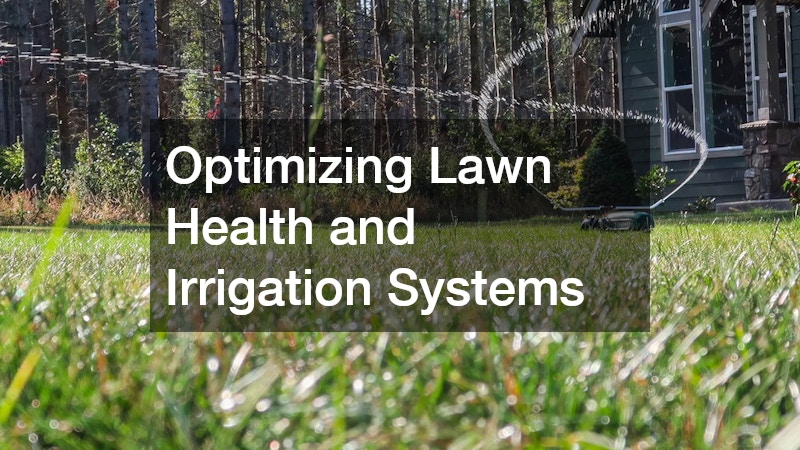
A healthy, lush lawn enhances curb appeal and supports other landscaping elements. Proper irrigation and maintenance are essential for vibrant, sustainable turf.
Tips for efficient lawn care include:
- Assessing soil type, sun exposure, and grass species for optimal growth.
- Installing or upgrading lawn irrigation services to provide consistent watering while conserving resources.
- Scheduling fertilization, aeration, and mowing to maintain lawn health.
- Adjusting irrigation seasonally to account for rainfall, temperature, and growth cycles.
Integrating irrigation with landscaping design ensures a vibrant, water-efficient yard that supports trees, shrubs, and garden areas. Routine monitoring and maintenance reduce water waste and prevent overwatering or dry spots.
Enhancing Outdoor Ambiance with Lighting
Landscape lighting enhances safety, extends usability of outdoor spaces, and highlights key design features. Proper planning ensures both functionality and aesthetic appeal.
Tips for effective outdoor lighting include:
- Strategically placing lights along pathways, patios, trees, and water features.
- Using energy-efficient fixtures to reduce costs and environmental impact.
- Working with a landscape lighting company for professional installation and layout optimization.
- Scheduling regular maintenance to check for burned-out bulbs, wiring issues, and alignment.
Well-planned lighting highlights landscaping features, enhances security, and allows for evening enjoyment of patios, pools, and gardens.
Maintaining Pool Comfort with Heating and Repairs
Pool heaters extend the usability of inground pools into cooler months. Regular maintenance ensures optimal performance and prevents costly breakdowns.
Tips for pool heater care include:
- Scheduling routine inspections to detect leaks, corrosion, or mechanical issues.
- Cleaning filters, checking gas lines or electrical connections, and maintaining water chemistry.
- Working with professionals for pool heater repair to ensure safety and efficiency.
- Combining heating with seasonal pool maintenance for consistent comfort.
Proper heating maintenance allows homeowners to enjoy pools year-round while preserving energy efficiency and equipment longevity.
Upgrading Exterior Aesthetics with Shutters and Window Treatments

Exterior shutters provide style, privacy, and protection from the elements. Selecting the right materials, finishes, and installation methods ensures both aesthetics and durability. In addition to enhancing the home’s appearance, shutters can improve energy efficiency by reducing heat gain during summer and minimizing heat loss in winter. They also act as a protective barrier against strong winds and storms, preserving windows and interiors.
Tips include:
- Choosing shutter styles that complement architectural design, such as louvered, raised-panel, or plantation shutters. Consider color schemes that coordinate with siding and trim for a unified exterior.
- Hiring a shutter service to ensure precise measurement and professional installation. Expert installation prevents warping, ensures proper alignment, and maintains long-term functionality.
- Regularly cleaning and inspecting shutters for damage, fading, or warping. Removing dirt, debris, and mildew not only keeps them looking fresh but also prevents long-term deterioration.
- Using weather-resistant finishes to extend longevity and reduce maintenance. Materials such as composite, vinyl, or treated wood withstand UV rays, moisture, and temperature fluctuations better than untreated materials.
- Considering functional enhancements like operable shutters or decorative hardware to combine style with practicality.
Shutters enhance curb appeal while providing functional benefits, such as light control, privacy, and protection against harsh weather. When thoughtfully selected and properly maintained, they can elevate the overall character of your home, making the exterior more inviting while increasing resale value.
Comprehensive Landscaping and Yard Design
Landscaping shapes the overall look, feel, and usability of outdoor spaces. Thoughtful planning ensures functionality, beauty, and sustainability. Effective landscaping balances greenery with hardscaping elements, creating spaces that are visually appealing and practical for daily use. Well-designed landscapes can reduce soil erosion, improve drainage, and create natural habitats for pollinators and beneficial wildlife.
Tips for effective landscaping:
- Evaluate existing layouts and soil quality to inform planting decisions. Conduct soil tests to determine nutrient levels and drainage capacity, which guide plant selection and fertilizer use.
- Work with a landscaper to integrate plants, hardscaping, pathways, and outdoor living areas. Professional guidance ensures the right combination of color, texture, and spatial flow for both aesthetics and usability.
- Incorporate features such as seating, garden beds, and water elements for aesthetic appeal. Consider functional zones like outdoor kitchens, play areas, or meditation gardens.
- Plan for long-term maintenance, seasonal adjustments, and irrigation needs. Implementing efficient lawn irrigation services and drought-tolerant plantings can save water and reduce upkeep.
- Use native plants and shrubs where possible to create sustainable landscapes that thrive with minimal intervention.
A cohesive landscaping design enhances property value, creates outdoor entertainment spaces, and provides a visually appealing environment year-round. By blending natural elements with practical features, homeowners can enjoy a yard that is both beautiful and functional.
Coordinating Multiple Outdoor Projects for Maximum Impact
Managing multiple outdoor projects simultaneously requires strategic planning and organization. Coordination ensures efficiency, minimizes disruption, and maximizes results. Overlapping projects, such as installing pools, fences, and landscape lighting, need careful scheduling to avoid conflicts and unnecessary expenses.
Strategies include:
- Prioritize projects that impact others, such as roofing before landscaping or fence installation before garden layouts. Completing foundational projects first reduces the risk of damage to finished work.
- Schedule contractors strategically to prevent overlap and delays. Staggering project timelines ensures that professionals can complete their work without interference.
- Monitor progress through regular inspections and communication with professionals. Frequent check-ins allow homeowners to address issues promptly and keep projects on track.
- Allocate contingency funds for unexpected challenges, ensuring smooth project completion. Unexpected weather, supply delays, or structural discoveries can affect timelines and costs.
- Document changes and updates to the project plan to maintain clarity and accountability among contractors and homeowners.
A coordinated approach results in cohesive outdoor spaces where improvements complement each other, maximizing both beauty and functionality. By strategically sequencing tasks, homeowners can reduce stress, control costs, and achieve a polished final result.
Conclusion
Comprehensive outdoor home solutions combine functionality, aesthetics, and long-term value. By strategically planning and executing projects in landscaping, pools, fencing, roofing, pest control, and exterior enhancements, homeowners can create safe, beautiful, and enjoyable outdoor spaces. Investing in professional expertise, regular maintenance, and thoughtful design ensures each element works harmoniously, providing lasting comfort, convenience, and curb appeal.
A proactive approach to outdoor home improvement allows homeowners to maximize enjoyment and investment in their property for years to come. Coordinated planning, attention to detail, and ongoing care make it possible to create outdoor environments that are visually stunning, highly functional, and tailored to the lifestyle needs of every household. By blending professional services with practical DIY care, your property can remain a vibrant, welcoming, and valuable asset for the long term.
